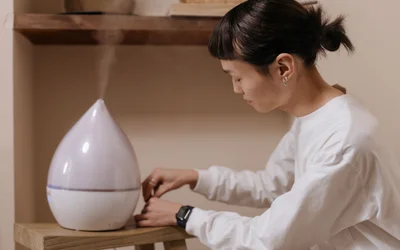
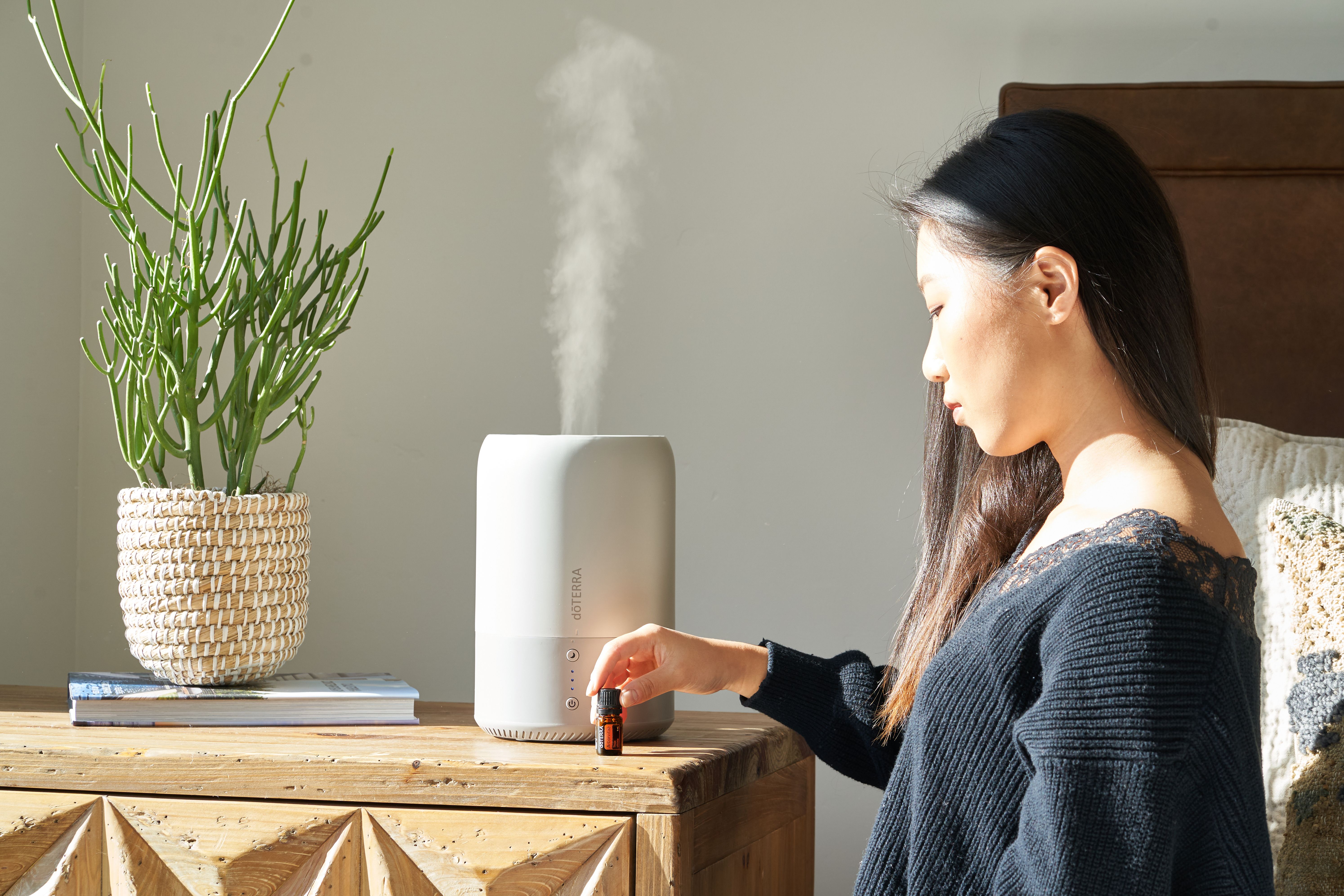
A diffuser is used for low fragrances or essential oils. A humidifier adds water to dry air, on the other hand .
An air purifier removes small particles which irritate the air, such as dust, pollen and pet fur.
So which one should you select in these three options:
If you want your room to have a better smell or to make a good mood, a diffuser is the first choice at your home or in your office. If dry air is making your home unsuitable, a humidifier might be the first choice. If dust, pollen, pet dander or other small things in the air are your biggest issue an air purifier is the solution.
This guide looks at all three devices, explains what each one does and shows what to look for before making a purchase.
Quick Summary
A diffuser disperses essential oils into the air, making a room smell better and creating a more relaxing atmosphere, but it does nothing for humidity or air quality.
The humidifier is good for when the air's too dry. It adds moisture to the air. This can help with dry skin and a stuffy nose. It can even help with static.
The air purifier is nice because it gets rid of all the things in the air, like dust and pollen and pet hair and smoke.
You can use all three of these things in the room if you put them in the right spots.
When you are trying to decide which one you should choose, you should definitely pick the diffuser if you want the air to smell good. and Choose the humidifier if you need more moisture in the air. Or select the air purifier if you want the air to be cleaner.
Your main problem
Best option
Why
Room smells unpleasant.
Diffuser
Adds fragrance
Want essential-oil aromatherapy
Diffuser
Designed to disperse oils
Dry skin or dry indoor air
Humidifier
Adds moisture
Dust or pollen
Air purifier
Filters airborne particles
Pet dander
Air purifier
Designed to filter airborne particles
Want more than one benefit
Combination
Different devices solve different problems
What Is a Diffuser?
A diffuser spreads essential oils into the air. People use it for aromatherapy, to help them relax, or simply to make a room smell good.
Essential Oil Diffuser Benefits
Creates a calm, relaxing feel in a room — great before bed
Fills the room with a scent you can change any time, no candles or sprays needed
Small and quiet enough to leave running while you sleep
What Is a Humidifier?
A humidifier adds moisture back into the air. It's especially useful in winter, in dry climates, or in air-conditioned rooms where the air tends to dry out.
Humidifier Benefits
Eases dry skin, chapped lips, and a dry or irritated nose
Cuts down on static electricity around the house
Some models can take essential oils, but only if the manufacturer says it's safe to do so
What Is an Air Purifier?
An air purifier cleans the air by using filters to trap unwanted substances, then releases the fresh air back into the room, so you can get fresh air without opening a window.
Air Purifier Benefits
Removes allergens floating around in the air
Cuts down on dust and pet dander
Some models use activated carbon filters to reduce odours and smoke
Doesn't change the room's humidity or add any scent
If cleaner indoor air is your main goal, an air purifier is the better choice out of the three.
Diffuser vs Humidifier vs Air Purifier: Key Differences
If you're stacking a discount code with a sale and it's not applying correctly, our guide on how to find a coupon code that actually works covers the most common reasons codes fail at checkout, regardless of which store you're buying from.
Pros and Cons of Each Device
Diffuser
Pros
Inexpensive and low-maintenance
Wide range of scents and styles to suit any room
Quiet enough for overnight use
Cons
No real impact on humidity or air quality
Requires ongoing purchase of essential oils
Reservoirs need regular cleaning to avoid residue buildup
Humidifier
Pros
Directly improves dry air and eases related symptoms
Cool-mist models are safe and efficient for everyday use
Available in sizes suited to a single bedroom or a whole living area
Cons
Can encourage mould growth if overused or under-cleaned
Warm-mist models carry a small burn risk around children
Doesn't remove allergens, dust, or odours
Air Purifier
Pros
The only device of the three built to remove allergens and airborne particles
Genuinely useful for allergy and asthma sufferers, and homes with pets
Some models reduce odours and smoke via carbon filtration
Cons
Higher upfront cost than a diffuser or basic humidifier
Ongoing filter replacement adds to running costs
Does nothing for scent or dry air
Which One Should You Choose?
The right device depends entirely on the specific problem in your home, not on which one has the most appealing marketing.
Choose a diffuser if:
You want a calming scent in a bedroom or living space
Air quality or humidity isn't a concern
Choose a humidifier if:
you're dealing with dry skin,
irritated sinuses,
or static electricity, particularly during winter or in an air-conditioned home.
Choose an air purifier if:
you or someone in the household has
allergies or asthma,
you have pets,
or you live somewhere with higher outdoor pollution or dust.
Choose a combination if:
If you have multiple problems to deal with at once, choose a combination treatment, which is very popular among users suffering from several different problems at once.
A simple way to decide:
if the problem is how a room smells, it's a diffuser problem.
If the problem is how dry the air feels, it's a humidifier problem.
If the problem is what's floating in the air, it's an air purifier problem.
Can You Use All Three Together?
Yes, operating a diffuser, humidifier, and air purifier in the same space is not technically problematic, and many homes do just that.
Tips for Running Them Together
to keep the air purifier at a good distance from the diffuser or humidifier. This is because the air purifier might suck in mist and that can clog the filter fast.
You should be careful not to make the air too humid. If you are using the diffuser and the humidifier at the time you need to watch out for too much moisture in the air. The air purifier and the diffuser and the humidifier all need to be used in a way that makes sense.
For example you can have the humidifier in the bedroom and the air purifier in the living room. That way you are using the air purifier and the humidifier, in the rooms where you really need them.
You should clean the air purifier and the diffuser and the humidifier all the time. The diffuser and the humidifier can get mould. Germs growing in them especially in the water that is standing in the reservoir.
Find the Right Device for Less
Once you've worked out which device (or combination) suits your home, it's worth checking current offers before buying. Here's where to look on AnniePromo:
General electronics and appliances, including air purifiers and humidifiers from major brands
Features to Consider Before Buying
Whichever device (or combination) you land on, a few practical factors matter more than the spec sheet suggests.
Performance Factors
Room size
check the manufacturer's coverage rating; a device rated for a small bedroom won't do much in an open-plan living area
Noise level
matters most for bedroom use; ultrasonic diffusers and cool-mist humidifiers are generally quieter than warm-mist or older purifier models
Tank capacity
bigger tanks mean less frequent refilling, which matters if you're running a device overnight
Running Cost and Upkeep
Filter type and replacement cost
for air purifiers,
HEPA filters need regular replacement,
and that ongoing cost is easy to overlook at purchase
Ease of cleaning
a device you dread cleaning is a device that eventually stops getting cleaned; look for a wide-mouth tank and dishwasher-safe parts where possible
Auto-shutoff and safety features
particularly relevant for warm-mist humidifiers or units with young children or pets nearby
If you're specifically weighing up the best air purifier for home use, prioritise true HEPA filtration and a coverage rating that matches or exceeds your room size.
For the best humidifier for a bedroom, coverage rating and noise level are usually the two factors that separate a good buy from a disappointing one.
Common Mistakes Buyers Make
Buying an air purifier to fix dry air
a purifier does nothing for humidity, no matter how good the filter is
Adding essential oils to a humidifier that doesn't support them
this can damage the unit and void the warranty; check the manual first
Undersizing for the room
a device rated for a small bedroom placed in an open living area will underperform no matter how well it's maintained
Skipping regular cleaning
standing water in diffusers and humidifiers is a common source of mould and bacteria buildup
Ignoring filter replacement costs
an air purifier's ongoing running cost is largely determined by how often the filter needs replacing, and that's easy to miss when comparing upfront prices
Assuming one device solves every problem
dry air, poor air quality, and wanting a nice scent are three separate problems that need three different tools
Conclusion
A diffuser, a humidifier, and an air purifier all get lumped into the same "home air" category, but they're really solving three different problems:
scent,
moisture,
and what's floating around in the air.
None of them can do the other's job, and most people end up disappointed simply because they bought the wrong one for their actual problem.
Start with what's bothering you. Dry skin means a humidifier. Allergies mean an air purifier. Wanting your room to smell better means a diffuser. After that, it's about
picking the right size for your room,
checking how loud it is,
and thinking about what it'll cost to keep running.
And if more than one problem applies to you, there's nothing stopping you from running two or three together just place them sensibly and keep them clean.
Haleema is a content editor specializing in online shopping, consumer research, and deal verification. She focuses on delivering accurate, up-to-date information that helps shoppers save money with confidence.
Frequently Asked Questions
Neither one is better than the other.
The diffuser is good for making the air smell nice and helping you relax.
On the other hand, the air purifier is really good at getting rid of allergens and tiny particles that float in the air.
If your symptoms are
dry skin,
irritated sinuses,
or static electricity,
that points to low humidity and a humidifier.
If your symptoms are
sneezing,
itchy eyes,
or general allergy flare-ups,
that points to airborne particles and an air purifier.
Only use essential oils in a humidifier if the manufacturer says it is safe to do so. Many humidifiers are not made for oils, and using them can damage the device. Always check the product instructions first.
An air purifier, specifically one with a true HEPA filter, is the device built to capture allergens like
dust.
pollen,
and pet dander.
Neither a diffuser nor a humidifier removes allergens from the air.
Only if you're dealing with all three problems at once
scent,
dry air,
and air quality.
Most households only need one or two; start with whichever problem is actually bothering you rather than buying all three upfront.
It spreads a scented mist into the room using essential oils. It's mainly there to make a space smell nice and feel relaxing.
It adds moisture to dry air. It's what you'd reach for if your
skin,
lips,
or nose feels dry, especially in winter.
A diffuser adds moisture or fragrance to the air, usually by dispersing water and essential oils. An air purifier, on the other hand, removes airborne pollutants such as dust, pollen, smoke, and other particles using filters. In short, choose a diffuser for fragrance or atmosphere and an air purifier for cleaner indoor air.